

Recent articles

Spanish Wine Recommendation: What Is One Spanish Wine Worth Seeking Out?

IntoWine.com asked our panel of wine experts their recommendation for one Spanish wine worth seeking out (but which won't break the bank): See also: Best Spanish Red Wines Where to begin? Spain is so huge with so many different styles of wine. Yet, people talk about it as if it were one region. I am going to let the traditionalist in me take over. For most of Spain’s wine history over the last two hundred years, the area that produced the most famous wines was Rioja. This landlocked area in north central Spain still makes some of the best wine: some of it in the modern style, while other wines are produced in a traditional method. Find Muga Wines I am going to suggest the traditional producer of Muga. This winery, founded in 1932 makes a variety of wines at many price levels. I first am going to recommend seeking out wines from the fabulous 2004 vintage. Then look for either the Reserva or Selection Especial. These should cost around $30 and $45 respectively. While not inexpensive, these wines can be brought home and drunk or cellared for a decade or more. Made from the Tempranillo grape, they have brilliant cherry flavors with vanilla notes. Perfect with hearty to light foods or by themselves. This is a winery I would trust in all vintages with all of their different wines. - Loren Sonkin is an IntoWine.com Featured Contributor and the Founder/Winemaker at Sonkin Cellars.
Alsace Wines: Some of France’s Great White Wines

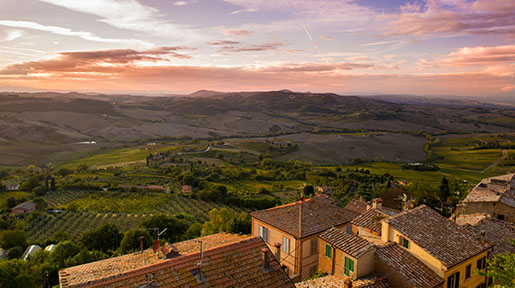
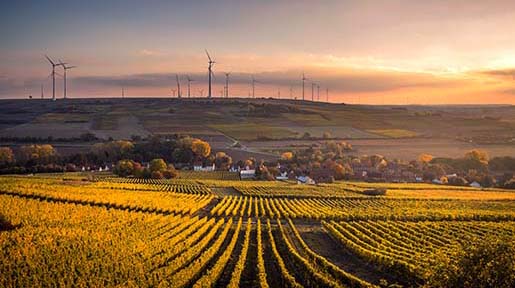
Along the French border with Germany lies the region of Alsace (all-SAHss). The region’s customs are a combination of both the French and German culture, a result of the political turmoil this region has long experienced. Alsace has changed ownership four times in the past few hundred years. Since World War I, this area has belonged to France. The wines, however, bear as much resemblance to the wines of Germany as they do to the wines of France. To be more precise, the wines of Alsace are a hybrid of the two, yet distinct from either.

White Bordeaux Vintage Chart

2007 93 D/H 2006 88 D/H 2005 89 D/H 2004 89 D/H 2003 80 D 2002 88 D/H 2001 94 D/H 2000 90 D/H 1999 88 D 1998 89 D 1997 88 D 1996 89 D 1995 90 D 1994 86 D 1993 78 D 1992 76 D 1991 78 D 1990 90 D Vintage Charts should be used for a generalized guide in lieu of specific knowledge about a bottle or...

The White Wines of Bordeaux

My recent article, Bordeaux Wine Region in France: World's Most Famous Fine Wine Region , offered a general overview on the wines of Bordeaux. One group of wines in this region that doesn’t get as much coverage is the dry white wines. There are quite a bit of dry white Bordeaux wines made. Unfortunately, most of it is of less than stellar quality. There are some, however, that are the best wines in the world, capable of ageing for decades.

Spain's Alicante Wine Region: Where Classic Meets Modern

Alicante isn't Spain's largest or most famous wine region. In fact, Alicante is fairly small, and it tends to be overshadowed by its better-known neighbors, Jumilla and Valencia. Alicante has much to offer the wine lover, however, particularly Fondillón, made from monastrell grapes and unique to this DO. Alicante's other wines, particularly its reds, have steadily worked their way up into the ranks of Spain's top-scorers, and the region's award-winning moscatels are also worth trying.

Pennsylvania Wines: Adding the Numbers at Winfield Winery

Pennsylvania doesn’t spring to mind when you think of wine, and yet there are 140 wineries in the state. Equally important is that William Penn, for whom the state was named, planted the very first vinifera vines in America in 1683, and that the very first commercial vineyard in the U.S. was planted by the Pennsylvania Wine Company in 1793. Therefore, it all begins to add up.

Germany’s Nahe Region: Wine Innovation and Tradition

The Nahe region is one of Germany’s smallest winegrowing regions comprising just under 11,000 acres of plantings. Fully 75 percent of the vines planted are to white varietals specifically Riesling and Muller-Thurgau. The remaining 25 percent of vines are dominated by the red blending grape, dornfelder. The area is home to many steep vineyard sites and the Nahe River languidly strolls by, bending just before the minuscule village of Oberhausen.

Pages