Recent articles

White Bordeaux Vintage Chart

2007 93 D/H 2006 88 D/H 2005 89 D/H 2004 89 D/H 2003 80 D 2002 88 D/H 2001 94 D/H 2000 90 D/H 1999 88 D 1998 89 D 1997 88 D 1996 89 D 1995 90 D 1994 86 D 1993 78 D 1992 76 D 1991 78 D 1990 90 D Vintage Charts should be used for a generalized guide in lieu of specific knowledge about a bottle or...

The White Wines of Bordeaux

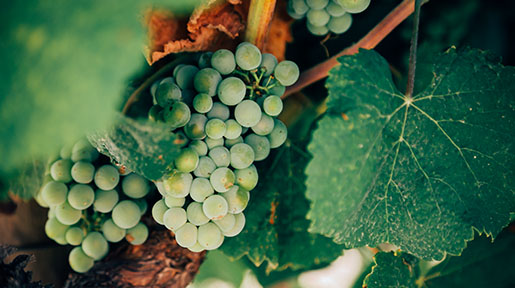
My recent article, Bordeaux Wine Region in France: World's Most Famous Fine Wine Region , offered a general overview on the wines of Bordeaux. One group of wines in this region that doesn’t get as much coverage is the dry white wines. There are quite a bit of dry white Bordeaux wines made. Unfortunately, most of it is of less than stellar quality. There are some, however, that are the best wines in the world, capable of ageing for decades.

Spain's Alicante Wine Region: Where Classic Meets Modern

Alicante isn't Spain's largest or most famous wine region. In fact, Alicante is fairly small, and it tends to be overshadowed by its better-known neighbors, Jumilla and Valencia. Alicante has much to offer the wine lover, however, particularly Fondillón, made from monastrell grapes and unique to this DO. Alicante's other wines, particularly its reds, have steadily worked their way up into the ranks of Spain's top-scorers, and the region's award-winning moscatels are also worth trying.

Pennsylvania Wines: Adding the Numbers at Winfield Winery

Pennsylvania doesn’t spring to mind when you think of wine, and yet there are 140 wineries in the state. Equally important is that William Penn, for whom the state was named, planted the very first vinifera vines in America in 1683, and that the very first commercial vineyard in the U.S. was planted by the Pennsylvania Wine Company in 1793. Therefore, it all begins to add up.

Germany’s Nahe Region: Wine Innovation and Tradition

The Nahe region is one of Germany’s smallest winegrowing regions comprising just under 11,000 acres of plantings. Fully 75 percent of the vines planted are to white varietals specifically Riesling and Muller-Thurgau. The remaining 25 percent of vines are dominated by the red blending grape, dornfelder. The area is home to many steep vineyard sites and the Nahe River languidly strolls by, bending just before the minuscule village of Oberhausen.

Chilean Wine Recommendations: What Is One Chilean Wine Worth Seeking Out?

IntoWine.com asked our panel of wine experts their recommendation for one Chilean wine worth seeking out (but which won't break the bank): Occasionally, a wine region reveals a level of promise that speaks to every kind of wine consumer. Today, that wine region is Chile. Forged from several mountainous valleys along the southwest coast of South America, Chile has seen a renaissance in its agricultural heritage with wine. Several producers are harnessing the unique climate and dramatic terroir (mountains, valleys, proximity to the ocean) to make world class wines. One of the most impressive varieties to date has been Syrah. A noted survivor in extreme conditions, Syrah has found a home, if not a palace, in Chile. Find Montes Alpha Series Syrahs One wine in particular worth trying is the 2006 Montes Alpha Series Syrah . Harvested from a low yield vineyard on the Apalta Valley slopes, this Syrah comes with added punch. A 7% Cabernet Sauvignon and 3% Viognier addition in the final blend establishes this wine’s firm tannins with elegance, supported by waves of blueberries, cassis, flowers, and leather. Made for drinking young, this wine could also age well over the next few years. (About $20) – Ben Spencer is a diploma student with the Wine & Spirit Education Trust and an IntoWine Featured Writer.

Barolo Wine Recommendations: Best Barolos for the Money

IntoWine.com asked our panel of wine experts their recommendation for one Barolo wine worth seeking out (but which won't break the bank): Old Barolos are my favorite dry reds in the world . The Nebbiolo grape--grown in this particular region with its special soils, climate, elevations and exposures, and made in the traditional style, with long aging in large neutral oak vessels--produces a wine that ages into something ethereal, haunting and very, very special. They also require at least 15-20 years of bottle age before the tannins sufficiently soften and the tertiary flavors really begin to develop so that all of the beauty locked up in these big, complex wines can start to be glimpsed. The Rare Wine Co. is the best source of older Barolo in the U.S., at very fair prices, and they use my scores for the Barolos I’ve tasted that they have in inventory at any given time. Expect to pay north of $200, and generally in the $300-450 range, for a sufficiently aged beauty that will give you a real taste of what old Barolo has to offer. If money was no object, I’d personally pick up a few more bottles of one of my two all-time favorites, the 1958 Giacomo Borgogno or 1964 Giacomo Conterno. If you’re a younger collector who has the time to acquire newer vintages on release and store them the requisite 15-20 years until they are worthy of being opened, my recommendations are to go with the great traditional producers that have the strongest track records: Bartolo Mascarello, Bruno Giacosa, Giuseppe Rinaldi, Giacomo Borgogno, Giacomo Conterno or Oddero. - Richard Jennings, IntoWine.com Featured Contributor and the Founder RJonWine.com

Pages