Book Review - Cracking Croatian wine by Matthew Horkey and Charine Tan
Plan your wine country trip with IntoWine's interactive map of California's wine country. Includes winery profiles and pictures as well as articles listing the best wineries for picnics, tours, beautiful views, wedding receptions, and more.
Check it out
Zweigelt is a cross between St.
The grape in this one is Plavina which is a child of Tribidag (Zinfandel) and Verdeca. It grows in the coastal areas of Croatia. Ruby in color, mostly clear but a bit flat. The nose has cherries and a touch of barnyard.
From the island of Brac in the Adriatic Sea, this white wine is a blend of Pošip 70%, Chardonnay 20%, Vugava 10%. It is done in Stainless steel. 12.5% ABV. Light green/gold in color, clear and bright. The nose is light with some tropical fruits and citrus and a bit of salinity. Very clean. On the palate, this has a nice minerality. Also, a slight husk cherry (those little yellow berries with the husks on them) quality. This wine does seem to have a hint of noticeable residual sugar. Overall, it is very easy to drink on its own and will work well with sea food.
Grasevina is another name for Welschriesling (no relation to Riesling). It is the most grown white grape in Croatia.
This is 100% Pušipel which is another name for Moslavac, Šipon, Mosler, or Furmint. It is light golden in color with the slightest copper hue to it. The nose is interesting with some pear but also some hay and a slight melon note. On the palate, this turns more to tart grapefruits with a bit of an herbal streak. The wine itself is weighty with a perception of sweetness yet it drinks tart. Looking it up later, there is apparently 7.7 g/l of residual sugar. The finish does have just a hint of sweetness that gets lost among the tart grapefruit notes. 12% ABV on the label. Another very
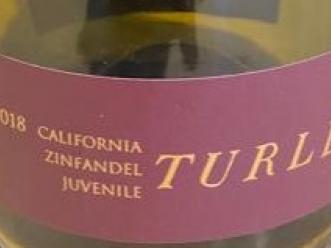
This seems to be about at peak, at least from the 375ml bottle. Garnet in color, mostly clear and bright. The nose is nice with chocolate, raspberries, and slight raisins. Full bodied. Sweet. Viscous. Complex. Liquified chocolate covered raisins. Good acidity. Nice finish. This needs about 30 minutes of air to blow off bottle stink and good to go. It should easily drink well for another ten years. great on its own, this will work well with a chocolate dessert.
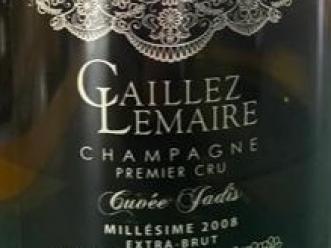
I am not sure what grape varieties go into the cuvee. At age 20, it is great. Copper in color, clear and bright. The nose is gorgeous. 100 points for the nose. Peaches, canned peaches, slight salted caramel, and minerality. Full bodied and viscous. Not as good on the palate, but still outstanding. The peaches and canned peaches carry thru. Remnants of sweetness remain but very little sweetness shows. Nice acidity. Long finish. Just beautiful. This drinks well on its own and will work with a not too sweet dessert. Maybe a Pecan Roll would be good. It is starting to slide downh
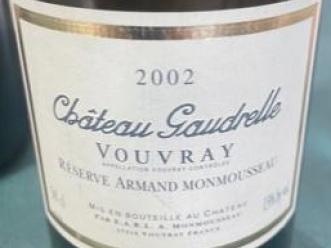
This sweet Chenin Blanc from the Loire Valley in France so no signs of ageing at all. Light yellow/gold in color, clear and bright. The nose has pears, honey, white peaches, with a bit of crushed shells and salinity. Full bodied. Slightly viscous. On the palate, this is sweet but just a bit, certainly not cloying. Good acidity. The honey, peaches and and minerality come thru. A very long finish. This wine is deep and stops the drinker in his or her tracks. It drinks great on its own and might be harder to match with food. A not too sweet shortbread cookie or a soft goat cheese wo
This is an inexpensive 100% Merlot. In good vintages, these are great places to look for values and nice wines that are accessible. And this one, hits all the marks. Deep ruby in color, mostly opaque and bright. The nose has raspberries, plums and slight spice. Medium bodied. On the palate, the raspberries continue along with some black cherries. Moderate finish. This is a tasty, fruit forward style of Merlot. It improves with a bit of air. Drinks fine on its own but will work better with some food. Roasted veggies or fowl would be a nice match. Drink over the next three to five