Top Spanish Red Wines - 2016
I tend to taste and drink a lot of wine over the course of a year. I am in a few tasting groups, sometimes the wines are consumed at various local wine store tastings and a number drunk with friends and family.
Great producer in the very HOT vintage of 2003. Again it shows producer over vintage. At age 21, this wine is showing nicely.
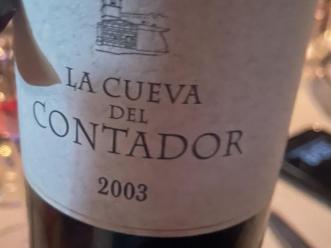
Deep garnet in color with some lighter ruby hues, mostly opaque and bright. The nose has cherries, slight cedar, dill and dust. Full bodied. Medium tannins. Good balance. On the palate, this is complex with tight layers. Flavors of cherries, some black cherries, spice and slight char. Good finish. This is nice on its own but better with food. It will work well with roasted duck or chicken. Drink over the next ten to fifteen years.
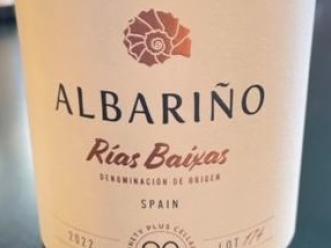
This is a white wine from northwest Spain. Light silvery/gold in color, clear and bright. The nose has some grapefruit along with slight pineapple notes. Medium bodied. Tart acidity. On the palate, there is refreshing tart lemon/citrus notes. Good finish. This is easy drinking and very food friendly for lighter foods. Seafood would be a great match. Drink over the next couple of years. This winery buys up surplus juice from "top" producers around the world and packages the wine without revealing who the original producer is.
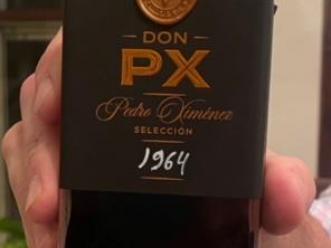
What a cool wine. This is a sweet Sherry. The grapes were grown in 1964 and harvested in August and the grapes were dried into a must. After about a year, the wine was made and then stored in Amontillado Butts. This particular bottling was done in 2022. We enjoyed it with a friend who is turning 60 and so was his birth year. The bottle was 200ml and very pretty. Basically a rectangular shape and sealed with a glass closure. The wine itself was ethereal. Deep, dark brown (think dark Molasses) in color. Bright and opaque. The nose is great with coffee beans, slight char, slight ver
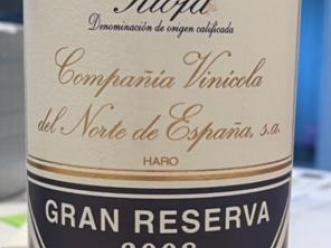
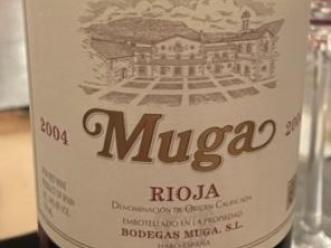
Wow, this is a tannic beast. At age 19/20 this is young and difficult if excellent. Deep garnet in color, mostly clear and bright. The nose has cherries, cigar box, and slight spice. Full bodied. Very firm tannins. On the palate it is complex and layered. Layers of cherries, dill and vanilla. Long black cherry finish. Great balance. It seems like it could easily go another twenty years. Will the fruit outlast the tannins though? In any event, very enjoyable on its own and will work better with food. A Mushroom Risotto would be great.
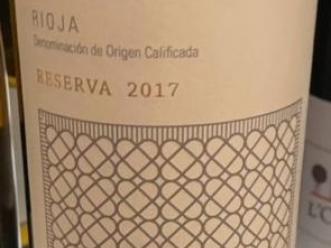
Purple/ruby in color, mostly opaque and bright. The nose has cherries, dust, and slight cigar. Full bodied. Medium tannins. Moderate acidity. On the palate, black cherries with anise. Some depth. Long finish. Overall, a nice wine that will go well with stews or Chili. Drink over the next five years.
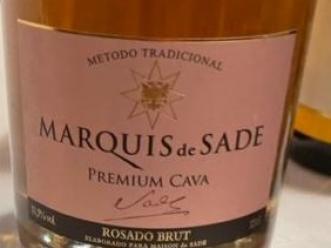
Golden/pink in color with a slight mousse of medium bubbles. The nose is nice with minerals, oranges and some apples. Medium bodied. Moderate acidity. On the palate some apple cider notes with a touch of sweetness. Solid finish. This is easy to drink and probably a bit better with some fried appetizers. Drink now.
Purchased at the winery back in 2017. Gredos is in the mountains just west of Madrid, Spain. It is 100% Garnacha grown at high altitude. Deep ruby in color, mostly opaque and bright. The nose is interesting with black cherries, cherries, some pomegranate, but also thyme and char. Full bodied. Light to medium tannins. On the palate, this is very concentrated. Not a blowsy wine but very persistent. Black raspberries, black cherries, and cherries with underlying char and slight herbal note. Complex and deep. Long finish. A unique Grenache that seems to exude its terroir. It went
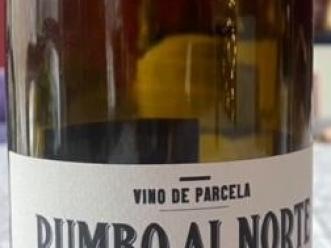
Purchased at Foxcroft Wine Bar in Charlotte, NC. This is 100% Garnacha (Grenache) from old wines in the mountains just west of Madrid. Deep garnet in color, mostly opaque and bright. The nose has black cherries, pomegranate, spice and wild herbs. Full bodied. On the palate, black cherries, some cherries and spice. There is some depth. Long finish. Tasty. This is young but drinking nicely. Good on its own or with food. It would work well with Baked Ham.