The first thing you should know about Portugal's Vinho Verde wine region is that the name, which translates to "green wine," doesn't describe the color of the wine produced here. Instead, the name refers to the tradition of drinking Vinho Verde wines while they are young. In fact, the worst thing you can do to a Vinho Verde wine is save it for next year.
Challenging Conditions
Vinho Verde is Portugal's largest wine region. It is also one of the most challenging places to produce wine in the entire country. Unlike many Portuguese wine regions, Vinho Verde is not protected by northern or western mountain ranges. The region's borders start at the Minho River, which separates northern Portugal from Spain, and follow the Atlantic coast south to Oporto. South of Oporto, the wine region's border follows and then crosses the Douro River. Several other rivers, including the Ave, Lima and Cávado, crisscross Vinho Verde. The region is perhaps 50 miles across at its widest point.
Thanks to its coastal Atlantic setting, Vinho Verde's climate is mild and damp. The area gets about 59 inches of rain per year, much of it in spring and fall. This makes planting, protecting and harvesting the grapes very challenging, to say the least. Given the constant threat of rot, fungus and frost, it's a wonder any grapes survive at all.
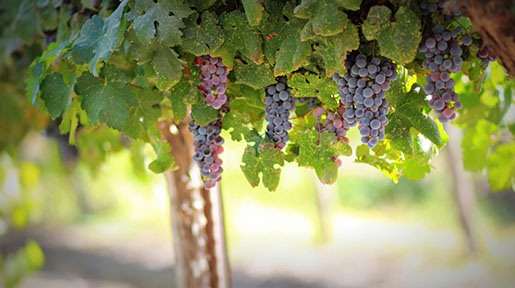
Over the years, Vinho Verde growers have developed several creative ways to minimize threats to their grapes. If you visit Vinho Verde, you will see vines trailing along strings and wires, arching overhead, pergola-style, and even climbing up the trunks of trees. Some growers encourage their grapevines to grow along cross-shaped structures or up vertical poles. These methods developed for two reasons: first, to save space and leave room for farming beneath the grapevines, and, second, to grow the grapes high enough to allow air to flow around the plants.
Soil and Terrain
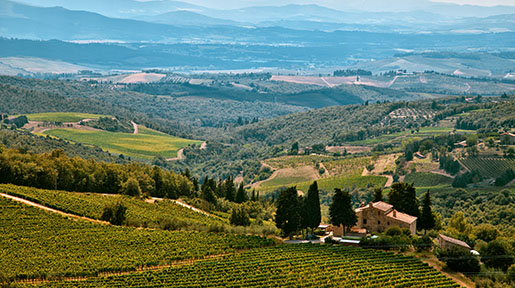
Vinho Verde's soils are mainly granite-based and sandy. There are some areas where schist or slate and clay predominate. Soils here tend to be high in acidity. The majority of the slopes in Vinho Verde are gentle, but some vineyards are planted on steep or terraced slopes.
Vinho Verde Wine History
According to the Comissão de Viticultura da Região dos Vinhos Verdes, famous ancient Romans Pliny the Elder and Seneca appreciated Vinho Verde wine enough to mention it in their writings. The region's wine history followed the typical path – the ancient Romans or local residents first planted wine grapes, and winemaking expanded as monasteries were founded in northern Portugal. By the 13th century, wine production expanded to meet growing demand.
Vinho Verde became a demarcated Portuguese wine region in 1908 and achieved DO status in 1949. In 1959, the region's special seal of quality ("selo de garantia" or "selo de origem") was approved. This seal, which appears on every bottle of Vinho Verde wine, tells you the year your wine was bottled and includes a serial number. You can track your bottle's history on the Comissão de Viticultura da Região dos Vinhos Verdes Web site.
Vinho Verde Grape Varieties
For both red and white wines, the regional wine laws have established a list of "recommended" and "authorized" grape varieties. The recommended white wine grapes are alvarinho, avesso, azal-branco, batoca, loureiro, pedernã and trajadura. Recommended red wine grapes include azal tinto, borraçal, brancelho, espadeiro, padeiro de Basto, pedral, rabo de ovelho and vinhão. In practice, each of Vinho Verde's six sub-regions tends to specialize in wines made from particular grape varieties. Wine producers in Monção, for example, use alvarinho grapes in its white wines, while Amarante winemakers tend to use vinhão grapes in their red wines.
Characteristics of Vinho Verde Wines
Vinho Verde wines are known for their slight fizz. This "sparkle" comes from release of carbon dioxide during malolactic fermentation. Some Vinho Verde winemakers prefer to stop the fermenting process before malolactic fermentation begins in their white wines – this is done by adding sulfur dioxide to the wine – and put carbon dioxide into the wine before bottling. These producers claim that allowing malolatic fermentation to begin changes the aromas and detracts from the freshness of the wine.
Vinho Verde wines are known for their fruit flavors and astringent quality. Their alcohol content usually hovers around 10 percent, making them ideal for drinking in warm weather. It's hard to lump all Vinho Verde wines together, however, because the region is large, with a variety of soil types. Additionally, wine producers in the DO's sub-regions (Monção, Lima, Perafiel, Braga, Amarante and Basto) use different grapes in their wines.
Visiting Vinho Verde
It's easy to visit wineries in the Vinho Verde DO. You can follow the Rota dos Vinhos Verdes (Vinho Verde Wine Route), which is marked by signs, or select individual wineries to visit. As in the rest of Portugal, it's best to arrange your visit in advance.
Quinta da Aveleda offers guided tours, including wine and cheese tastings, on weekdays. Located near Penafiel, this beautiful estate is surrounded by gardens; even the family house, built in the 17th century, is covered with vines. There's even a goat tower – and, yes, goats live inside.
If you'd like to stay on a Vinho Verde wine estate, try Casa de Sezim. This estate, family-owned since 1376, features beautifully-appointed rooms, hand-painted wallpaper and antique furnishings in the 18th-century manor. Guests can enjoy the swimming pool in warmer months; in the winter, you can arrange to go on a hunting trip.
You can also spend the night at Quinta da Franqueira, a former convent turned winery and guesthouse. The owners are English; Piers Gallie will be happy to show you around the winery as part of your overnight experience. The Barcelos area, where the quinta is located, is known for its ceramics, particularly rooster-shaped pieces.
Immediate Pleasure
Drinking a Vinho Verde wine is truly an experience to be savored, but don't let those bottles linger in your cellar. This is one wine you really can enjoy right now.