Wines and mines have been part of Bierzo’s history since Roman times. After the remains of Saint James were discovered in the ninth century, pilgrims, too, became part of Bierzo’s heritage. In fact, some locals will tell you that the Mencía grapes grown in Bierzo were first brought to the region by pilgrims headed toward the famous cathedral of Santiago de Compostela, where Saint James is buried. Monks who came to Bierzo from France to serve the pilgrims expanded the area’s vineyards. The history of Bierzo is tied to its vineyards, mineral resources and monastic tradition.
Today, the Bierzo DO is considered one of Spain’s up-and-coming wine regions. Several new bodegas have been established since the region achieved DO status in 1989; their owners are bringing in the latest equipment and innovations, which appear to be combining well with the region’s best wine grapes. Bierzo wines are winning awards and production continues to increase.
Bierzo Geography and History
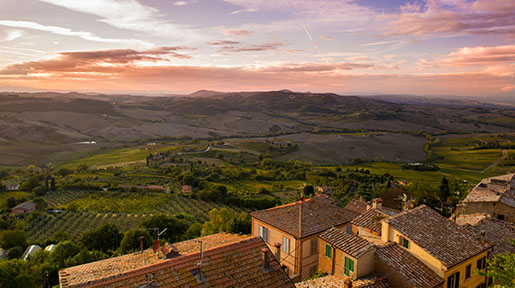
The political region in which the Bierzo DO lies is called El Bierzo, part of the province of Castilly y León Bierzo’s climate is unique among Castilla y León DOs. The Bierzo is located in a valley that is sheltered by surrounding mountains from the effects of Castilla y León’s continental climate, particularly fall frosts. Temperatures range from winter lows of 30° Fahrenheit to summer highs near 90°. Bierzo gets about 28 inches of rain each year. The area was once an ancient lake, and its alluvial soils are rich and varied.
Bierzo was colonized by the ancient Romans, who quickly began to exploit the area’s mineral resources. Roman slaves built hydraulic systems and created an artificial lake, Lake Carucedo, to help extract gold flakes from the mines at Las Médulas, near Ponferrada. Las Médulas is now a UNESCO World Heritage Site, where you can see not only the area’s natural beauty but also visit the ruins of the ancient Roman mines and hydraulic works.
Pliny the Elder, who perished in the A.D. 79 eruption of Mount Vesuvius, wrote about Bierzo wines. Wine grapes were cultivated by the Romans and, later, by the Christian monks who set up monasteries and hospices to help the pilgrims who came to Santiago de Compostela from all over Europe. The Bierzo towns of Ponferrada and Villafranca de Bierzo lie directly on the pilgrims’ route.
The Knights Templar also came to the area to keep pilgrims safe. The Templars built an enormous castle in Ponferrada to protect the pilgrims. Much of the castle is still standing and the structure is being renovated. As more and more pilgrims traveled through Bierzo, monks and local residents built churches and monasteries in the area’s villages and towns.
Coal and iron mining were important local industries, but today tourism, and, increasingly, winemaking, are playing lead roles in the area’s economic development.
Bierzo’s Grape Varieties
Bierzo’s white wines have historically been made from palomino, malvasía, Doña Blanca and Godello grapes. Doña blanca and palomino predominate in terms of acres planted, but it’s the wines made from godello grapes that are currently attracting attention from wine critics and writers.
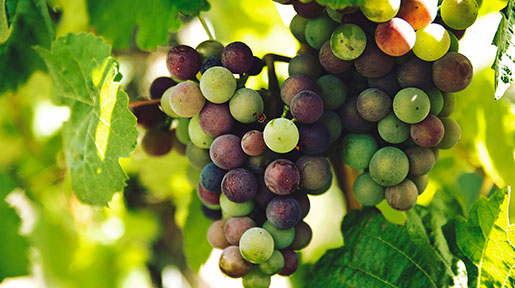
Mencía is the red wine grape of choice. At their best, wines made from Mencía can hold their own against some of Spain’s finest red wines. About 70% of the vineyards in Bierzo are planted in Mencía grapes. Other red varieties are permitted under DO regulations, including garnacha tintorera, merlot, cabernet sauvignon and tempranillo, but Mencía holds pride of place in Bierzo.
Bierzo Wines and Wineries
If you do some research on Bierzo wines, you’ll see that one frequently-appearing name is that of Alvaro Palacios. His Descendientes de J. Palacios winery, which he co-owns with his nephew, makes wines under the Pétalos del Bierzo and Villa de Corullón labels. You may recognize this surname from other Spanish wine regions; Palacios also makes wines in Priorat, and his family has been making wines in Rioja for many years. (As of this writing, Descendientes de J. Palacios does not have an active Web site.)
Dominio de Tares is another name on everyone’s lips these days. Only two types of grapes are grown here, Mencía and Godello. This attention to native grape varieties has paid off. We’ll be hearing much more about this winery in the future. If you’d like to stay or eat at a winery, Prada a Tope is the place to visit. The winery property includes an old palace that has been turned into a hotel and restaurant complex. There’s even a food shop in case you want to take some of the winery’s other products with you on your journey.
Bierzo’s Future
As Spanish wines become better known outside their native country, Bierzo’s top wine producers will continue to improve the quality of their wines. Many winemakers have already invested in state-of-the-art equipment, and they will be able to turn their attention toward perfecting and marketing their best wines. Bierzo continues to attract investors and winemakers from other parts of Spain, people who recognize the DO’s unique qualities and intend to make the most of them.
Whether you’re passing through Bierzo on the old Pilgrim Way or visiting Las Médulas and the Templar castle, take some time to get to know this area and its wines. You’ll be glad you did – there’s definitely more to come from Bierzo’s wineries.