In the last article, I discussed Recioto della Valpolicella Amarone. While most of the feedback that I received (and I love to get some feedback) was positive, apparently, there is still some confusion on differentiating Amarone from Valpolicella. Based on the name, such confusion is understandable. Although Amarone may be the superior wine, “simple” Valpolicella, however, is a wine worthy of its own discussion and understanding.
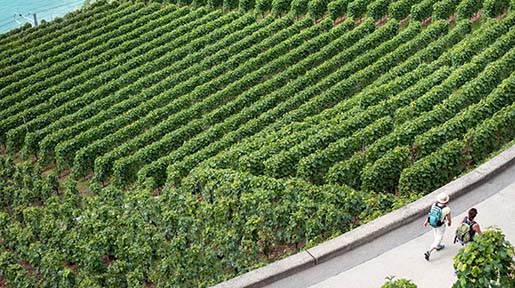
Valpolicella, named after the local valley in the Veneto that the wine is from, has been made since at least Roman times. Pliny the Elder wrote about it in his travels. It has a long history of being the local wine of choice. It never was meant to be more than a simple food wine and over time, quality got more and more suspect. Yields of the vineyards were quite large and the wine was produced in large quantities. The reputation of this wine became poor and it was rarely consumed outside of the local area. Even today, there are large industrial producers making oceans of the stuff that is not worth the time or trouble for wine enthusiasts to drink. There are, however, some very good Valpolicellas.
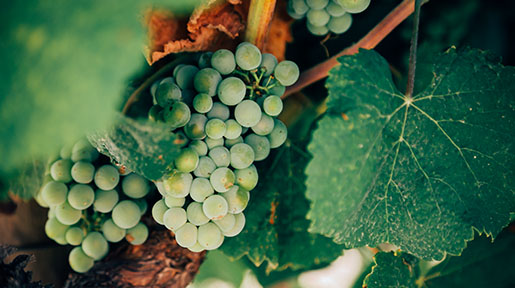
As I stated in the last column, Valpolicella and Amarone utilize the same grapes. That is Corvina Veronese, 40-70%; Rondinella, 20-40%; Molinara, 5-25%; Barbera, up to 15%; Negrara Trentina and/or Rossignola and/or Sangiovese, 15%; other local red varieties, up to 5%. The wines can be labeled as Classico, Superiore or Classico Superiore, the last two requiring 14 months of ageing before release.
The producers who have chosen to use lower yields in their vineyards have learned to make tasty and yet still reasonably priced Valpolicellas. Like many areas, these producers have experimented with using smaller oak barrels. Because the oak tends to dominate the wine, many producers have gone to older barrels.
Wines labeled as Valpolicella are simple wines with soft cherry flavors. They provide crisp acidity that can stand up to a plate of food, especially if there is tomato sauce. You may find that they are at their best served just slightly chilled. They should be consumed within a year or two of their release. The wines labeled as Classico or Superiore are required to have a bit higher alcohol levels which means the grapes must be allowed to get riper. The wines made in the Ripasso style often are darker in color. They have, in addition to the cherry flavor profile, dried cherries and red raspberries. Occasionally, you can detect a coffee quality to them also. These are more complex wines and can be drunk on release. If aged for 5 to 10 years they develop an exceptional complexity. They often provide some of the best values around in terms of a wine that will improve with a few years in the cellar.
In 1964 another trend emerged, or I should say, re-emerged. Masi, a producer of excellent wines revived an ancient winemaking tradition, which Masi called Ripasso. This means taking the fermented Valpolicella juice and re-fermenting it on the skins and lees left over from the Recioto della Valpolicella. As was discussed in the last article, this is a sweet wine in which the grapes are dried on straw mats before being made into wine.
Masi trademarked the name Ripasso in an effort to be the sole producers of it. Italians, however, love regulations and they love to flaunt not following them. Many producers came out with their own Ripasso wines anyway. In an effort to control quality, Masi agreed to let those producers who utilize the same quality procedures and production techniques that Masi did, to use the term. Yet, some producers found other ways to make their wines. They would make two blends and mix the wines. Others would let the Valpolicella pass thru the grape skins. You may also see the term Ripassa on a label in an effort to skirt the law. Some producers simply opted out of the DOC designation and used fantasy names for their wines.
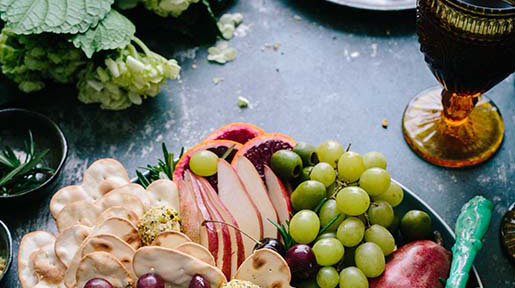
Valpolicellas made in the Ripasso style are often thought of as junior Amarones. That, while not technically correct, is not a bad way to think of them. The Ripasso wines are deeper in color. The have more intensity in their bouquet and on the palate. The alcohol levels are higher. But they are still medium bodied wines made for the dinner table. They go quite well with stews and braised meats. They are wonderful wines with pastas or even pizza. Of course, the foods of the Veneto are a great match for these wines. Asiago, Grana Padano and Monte Veronese cheese are wonderful matches.
Producers who make good Valpolicellas at a reasonable price are Allegrini, Bussola, Masi, Tedeschi and Zenato. Allegrini is one of the two large wineries in the area making quality wines (Masi is the other). They make a Valpolicella Classico that is available for around $10 and is very good. It has lower alcohol levels (around 12.5%) and is meant for immediate consumption. Franco Allegrini, however, has opted out of the DOC to regulations to produce some of his other wines. He also makes a couple of IGT wines that are around $20. The Palazzo della Torre utilizes 70% of the grapes that are vinified immediately. The remaining 30% are left to dry until December. They are then vinified and mixed with the other portion of the grapes. The La Grola wine does not go thru the Ripasso technique. This is a wine that is made with lower yields and sees new wood. It also has a light amount of non-Doc grapes in it including Syrah and Sangiovese. Either of these Allegrini wines are very nice wines and worthy of a few years in the cellar to improve.
Tommaso Bussola wines are some of the more traditional wines and are certainly some of the best. Masi is one of the long time producers in the area. Their wines are available under the Mai label and the Serego Alighieri labels. As was stated above, they revived the Ripasso style of wine. Theirs is called Campofiorin and is very good. They even make a luxury version of this wine called Brolo di Campofiorin. Tedeschi is another producer who is a traditionalist and excels at the lower end of the spectrum. His Valpolicella Calssico and Superiore’s are excellent choices for a weekday dinner wine or weekend barbeque. Finally, I listed Zenato as they are one of the more industrial producers whose wines are still worth drinking. They are usually readily available and of decent quality.
The two superstar producers of the area Quintarelli and Dal Forno, also make Valpolicellas. Their wines, however, sell for $75 and $100 respectively. In many ways, they are good as the Amarones of the other producers, but still are Valpolicellas. I highly recommend buying a bottle of these and laying them down in your cellar for 10 to 15 years.
A recent tasting of both of their wines found the 1997 Quintarelli still a bit youthful and while delicious, not yet at its peak. The 1997 Dal Forno was still quite tight and in need of more than a few more years to reach its peak. Quintarelli also makes a wine labeled as Ca del Merlo. This is in effect, a single vineyard Valpolicella. For some reason, I have been able to find this on discount from time to time at $50 or so. Perhaps the name is confusing. In any event, at that price, it is a great value and should not be missed.
Most recent vintages have been good. The 2002’s are a bit weaker and the 2003’s perhaps have a bit more raisiny character to them. The better Ripasso style wines from the late 90’s are drinking very well right now.
These are not expensive wines and anyone interested in enjoying wines should be able to find one in their budget. I hope you all go out and try a bottle or two. Please, let me know what you think.
Loren Sonkin is an IntoWine.com Featured Contributor and the Founder/Winemaker at Sonkin Cellars.