It would be easy to suggest that if John Steinbeck hadn’t written Cannery Row and other novels about the Monterey Bay region, it might never have come into prominence as a wine region within the confines of California.
But Steinbeck did write, and his novels, many of them set against the backdrop of Monterey’s wildly differing geography, opened the door early on to a public awareness of one of California’s best wine regions and agricultural areas. Another writer, Robert Louis Stevenson called the Monterey Peninsula, "The greatest meeting of land and sea in the world."
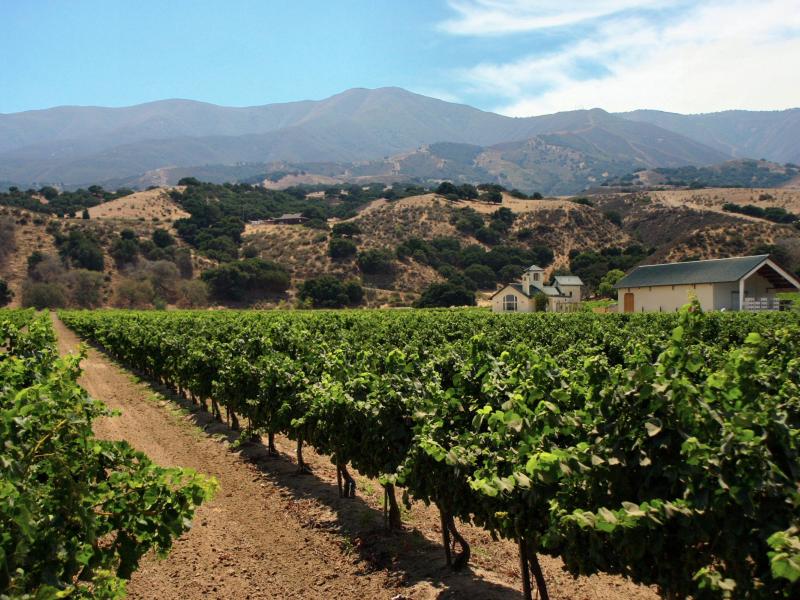
Though he probably wasn’t thinking about grapevines, his words now seem prophetic. Certainly Monterey’s neighbors to the north, Napa and Sonoma, and its neighbors to the south, Paso Robles and Santa Barbara receive the lion’s share of attention in the wine world. In part that is due to the fact that the early wines from Monterey simply weren’t that compelling, with the exception of a few wineries that recognized the potential of their area. But the name Monterey has increasingly become more of a status symbol in viticulture and the region has come into its own. The best days in Monterey wine country are postcard perfect, the Kashmir blue of the ocean beckoning you to hug the coastline, watching the bay, the boats, the otters and kayakers. But the majority of tasting rooms are inland, in the fertile valleys which produce the majority of food for California and the U.S.
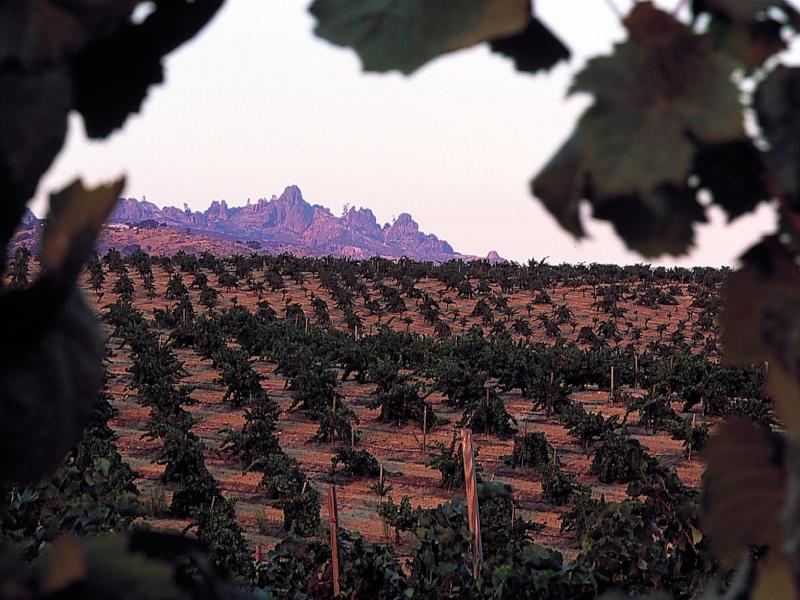
As is true throughout most of California, the first grapes were brought on the backs of mules and horses, mainly cuttings from South America, which the Spanish missionaries then planted for use in sacramental wines at their new digs. Undoubtedly they also planted a little for themselves to indulge in on the lonely California evenings when the state was part of Mexico. But then the immigrants came, by the thousands, Italians, Swiss and Chinese. And soon new cuttings were planted, this time as early as 1919 when pinot blanc went into the ground in the remote hill location of Chalone, an out of the way sparse area where growing grapes is difficult at best.
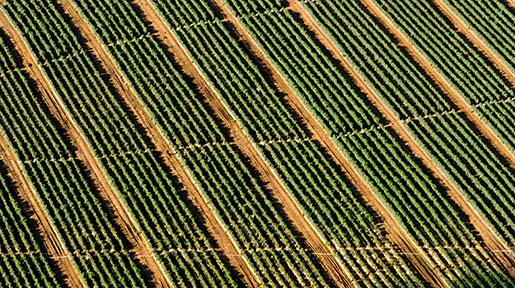
“For the most part, the wines from the Chalone appellation are on their own time scale, and most people aren’t willing to take the time,” stated Michael Michaud, owner and winemaker of his own eponymous label. For decades, most of Monterey’s best fruit was shipped out of county and even now, roughly 70 percent of grapes are sent north and south. But Monterey has come into its own in relationship to the quality of its fruit. With eight distinct AVAs and over 40,000 acres of grapevines in the ground spanning nearly 42 different varieties (19 are white and 23 are red), Monterey can lay claim to an abundance of talented winemakers, producing at wineries with names like Jekel, Hahn, Paraiso, Talbot, Roar, Pisoni, Morgan, Pessagno, Ventana and a host of others.
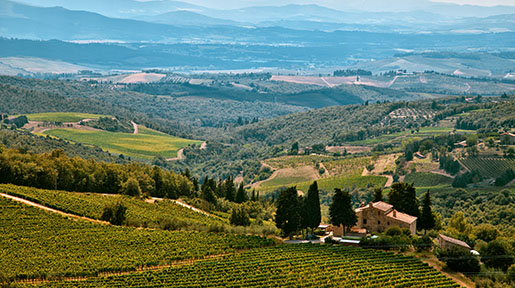
Cannery Row, the street made famous for it’s sardine canning factories in Steinbeck’s novel of the same name, currently lays claim to five tasting rooms within an easy walk of each other, some with stunning views of the bay, like A Taste of Monterey, a cooperative that features and rotates many smaller Monterey County wines. Just south of the famous street in the Carmel Valley, additional wineries are springing up in the tony neighborhood. But the most well known area is the Santa Lucia Highlands. Visible to the west from the Highway 101 this “bench,” as it’s also known, is clearly visible, even at excessive speeds, clinging to the sloped hillsides raised up from the valley. It’s a kind of netherworld between the crop heavy flatlands and the stern Santa Lucia Mountain range.
Still growing and still being discovered, Monterey offers wine lovers a series of events that remain un-crowded, at least for now. The Great Wine Escape Weekend held each November mixes wine pairing with food and cooking demonstrations with chefs such as Robert Bleifer, the executive chef at the Food Network, winemaker dinners and multiple wine tastings as well as specific panel discussions, such as a pinot noir tastings investigating the diverse soil and growing conditions from different Monterey AVAs. But perhaps the Winemaker’s Celebration, held each August, an inexpensive and manageable tasting event, is the best gateway to over 40 Monterey County wineries, and one that still retains its humble roots, having not grown into a cumbersome and out of control event like many wine tasting weekends. Both of these events showcase a broad spectrum of Monterey wineries, large and small.
With the pristine and rugged Monterey Bay, and agricultural areas within close proximity to the downtown core, like Big Sur, Salinas (and the Steinbeck Museum), not to mention Cannery Row and the Monterey Bay Aquarium, there is much to do outside of the wine world. But it is wine that brings you here and many tasting rooms are within an easy drive of a central base like downtown Monterey. “Many of our tasting rooms still do not have fees which is part of the quaint charm of Monterey,” says Rhonda Motil, Executive Director of the Monterey County Vintners and Growers Association. “However, those that do are usually in the $5 range, and most reimburse with purchase,” she adds. Yes, there are mammoth producers who churn out hundreds of thousands of cases annually, but Monterey is also home to dozens of boutique wineries like Parsonage, Line Shack, McIntyre and Pierce Ranch that are so small they have no tasting room, let alone distribution. And since the climate of Monterey’s AVAs is so diverse, there’s no specific “Monterey style” of wine, just a broad palette of food friendly wines, waiting to be explored.