The history of wine -while certainly encompassing the evolution of viniculture- touches upon many aspects of society. Wine is, in simple terms, a beverage but it is also an industry, a culture, a valuable natural resource, a symbol of status (to some), and an inspiration for both art and architecture. The books noted below each examine a different but unique angle of wine history and are worth checking out.
For anthropology buffs, Ancient Wine: The Search for the Origins of Viniculture by Patrick McGovern examines the earliest stages of vinicultural history and how wine is interwoven with human culture through centuries of change.
Over long, hard decades, American winemakers have won the respect of connoisseurs everywhere. Many of the world's most cherished, and expensive, wines come fro the United States.. But today, the unique and eccentric wine industry faces agrim set of challenges that could transform it forever: oversupply in the face of flat consumption, devastating vineyard diseases, an antiquated distribution system, fierce competition from abroad, attacks from anti-alcohol forces, and an inability to capitalize on wine's proven health benefits.
A wine lover's Is Paris Burning? - the remarkable untold story of France's courageous, clever vintners, wh
When Gourmet magazine debuted in the 1940s, America's wineries were still reeling from the lingering effects of Prohibition and the loss of wines from war-torn Europe. But for every closed door, there was an open bottle: The bleak postwar years were actually a prelude to today's unprecedented and widespread appreciation for the grape. New York Times bestselling author Ruth Reichl reread sixty-five years of wine articles in Gourmet to select the best for History in a Glass. The result is a rollicking tale of great meals, great walks, and wonderful drinks as Americans discover the pleasures of wine.
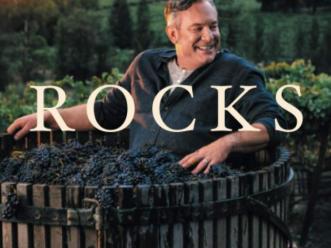
Over the past twenty-five years, renowned critic Robert M. Parker, Jr., has visited both legendary and fledgling wineries all over the world and has tasted hundreds of thousands of wines. Only a fraction of those wines have earned his highest ratings and are considered by him to be truly legendary. In his latest book, Parker brings together what he calls "the best of the best," taking readers on a personal tour of the wineries that have impressed him most with their dedication to quality, consistency, and excellence.
Told for the first time by the only reporter present, this is the true story of the legendary Paris Tasting of 1976 -- a blind tasting where French judges shocked the industry by choosing unknown California wines over France's best -- and its revolutionary impact on the world of wine.
What is taste? Is it individual or imposed on us from the outside? Why are so many of us so intimidated when presented with the wine list at a restaurant? In The Accidental Connoisseur, journalist Lawrence Osborne takes off on a personal voyage through a little-known world in pursuit of some answers. Weaving together a fantastic cast of eccentrics and obsessives, industry magnates and small farmers, the author explores the way technological change, opinionated critics, consumer trends, wheelers and dealers, trade wars, and mass market tastes have made the elixir we drink today entirely different from the wine drunk by our grandparents.
Variously regarded as a sacred, religious drink, inebriant, and even the work of the Devil, wine has always been much more than a commodity. From its origins in ancient Mesopotamia to its present incarnation as a vast, multinational business, wine has consistently generated passions that verge on mania.
Just two generations ago, the United States was little more than a foo
The history of civilization is, in many ways, the history of wine. This book is the first comprehensive and up-to-date account of the earliest stages of vinicultural history and prehistory, which extends back into the Neolithic period and beyond. Elegantly written and richly illustrated, Ancient Wine opens up whole new chapters in the fascinating story of wine and the vine by drawing upon recent archaeological discoveries, molecular and DNA sleuthing, and the texts and art of long-forgotten peoples.