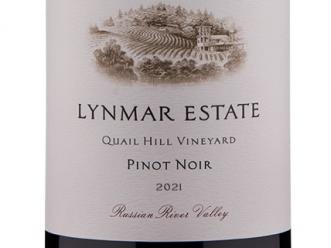
Norm Yost started his career into the world of wine as a beer drinking football player, specifically offensive guard and tackle. Sure, he was at UC Davis, but he had been recruited right out of high school to play football, Division 2, not to do any mamby-pamby wine related stuff. His roommate in college was studying fermentation science and enology and would conduct wine tastings, which got Norm's attention. “I was really intrigued by it,” he recalled.
Madrid is not only the capital of Spain but also one of Europe’s great cultural centers. Tourists flock to Madrid to see its museums and plazas and to enjoy Spain’s famous tapas. Many visitors don’t realize that Madrid has a wine region all its own, the Vinos de Madrid Denomination of Origin (DO).
We recently drank our way through Woodinville Passport 2008, in the ever-burgeoning Woodinville wine region just outside of Seattle, Washington. Here, we experienced wine tasting in warehouse office parks – and never was a more true and honest passion for wine represented without all the fancy mahogany tasting bars, and retail swag you find in other wineries. With a little help from some Woodinville winemakers, I share with you my top tips for how to attack a wine tasting festival.
Domingos Meirelles, Portuguese born in Angola, has been living for 6 years in Sao Paulo, Brazil. He studied International Trade in Portugal, did his MBA in Sao Paulo, and finally the OIV Masters in International Wine Management to gain a broader perspective on the wine world. He is now the Director of Expovinis Brasil and personally dedicated to promoting Brazilian wine culture and generally pushing the country onto the global wine playing field. I recently caught up with him on a trip to Santiago, Chile visiting local wine producers and was able to ask him about the Brazilian market and the significance of Expovinis which is rapidly approaching.
BEST OFF-THE-BEATEN-PATH NAPA TASTING ROOMS
After having visited numerous renowned wineries, many of us are looking for the hidden gems within the Napa Valley. Good wines are certainly valued, but the entire experience a winery provides leaves guests wanting to return and telling their friends and family to visit. Each winery listed in this article has some special draw, whether it’s art, architecture, ambiance, gardens or compelling history.
There really is little question as to what the two most famous and prestigious wines from Italy are: Barolo and Brunello di Montalcino. That is not to say they are the best wines, but that they have a history of being some of the best wines exported from Italy. The next series of articles will examine Brunellos (for a review on Barolo see the previously posted three part series on this site).
Brunello di Montalcino is a wine made from grapes grown in vineyards surrounding the hilltop town of Montalcino (about 5 miles south of Sienna) in Tuscany.
Dramatic. Historic. Traditional. Cutting-edge. All of these terms describe Germany’s Mosel-Saar-Ruwer wine region, often called “Moselle” in English-language guidebooks. Mosel wines are uniquely German and internationally acclaimed. Perhaps more than any other German wines, Mosel wines truly reflect their terroirs.
I’ve always loved Riesling in its myriad forms. Ranging from dry to very sweet, this most versatile grape is a classic. Usually low in alcohol, with moderate to high acid, and tones of green apple, citrus, apricot, white flowers and minerals, this wine goes with just about anything but red meat.
My introduction to Riesling came at a B&B in the south of England.
“I want a 90 point wine,” Peter Koehler tells me. I think to myself that it’s certainly good to have goals. “I want to be one of the twenty most recognized wineries,” he adds. His comment sinks in and, yes, that’s more specific. After all, Koehler Winery sits on the “Fifth Avenue of wines” in Santa Barbara County. He is referring to Foxen Canyon Road, just north of tiny Los Olivos, a beautiful stretch of pavement that is home to many well-known wineries in Santa Barbara wine country.
The Rhone Report: About Rhone and Rhone-Style Wines and Winemakers is part of an ongoing series.
Like many lovers of Rhone style wines from America, we have just returned from the 2008 edition of the annual Rhone Rangers tasting event at Fort Mason in San Francisco (March 18). This was the 11th year that the Rhone Rangers, a group of about 200 American producers of wines using 22 varietals traditional to France’s Rhone Valley, have shown off their wines at this public tasting event. This year, about 138 wineries presented approximately 520 wines.
During the tasting, we enthusiastically tasted as many wines as we could within the 5 hours (3 public and 2 trade/media) the event was open. We tasted 30 white wines first, and then we tasted 50 reds. We skipped the rosés, not because we don’t love them, but because we didn’t have time. Kudos to Rhone Rangers for providing eco-friendly paper spit cups instead of the plastic cups so common at other tastings. We divided our attention between wines and producers we have known previously, producers new to us, and specific bottlings we didn’t already know. While we found many wines to admire, we are sure we missed other gems.