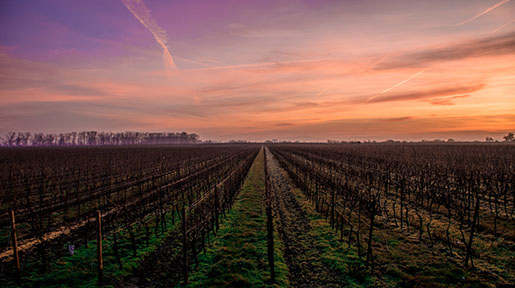
Manhattan may be the bustling, hectic, cosmopolitan center of New York, but on a short drive east on the Long Island Expressway, you can see the pace of New York gradually ease from major metropolis to sprawling suburbs, and finally, as the island splits off into what are known as the North and South forks, to rural farmland. The South Fork is famous for the Hamptons, a chic vacationing resort popular with overworked Manhattanites, and though there are a handful of wineries in the south, it is in the heart of the North Fork of Long Island, once known primarily as a potato farming community, that you will find cozy bed and breakfasts, old fashioned diners boasting fresh berry pies, and best of all, the newest, and one could argue most exciting, wine region in New York State.
New York has a relatively long history of winemaking. In fact, back in the 19th century, wines from the Finger Lakes region and the Hudson River Valley were competing heavily with California wines. But it wasn’t until the 1970’s, when the Farm Winery Act (a law which reduced licensing fees and made it easier for small wineries to be financially successful) passed that Long Island first became a recognized appellation. Alex and Louisa Hargrave were the first to acknowledge the potential of winemaking in Long Island and founded Hargrave Vineyards in 1975. It wasn’t long before others followed their lead. Now, innovative winemakers are taking advantage of Long Island’s maritime climate, and using some of the latest technology in winemaking to produce a wide range of excellent food-friendly wines.
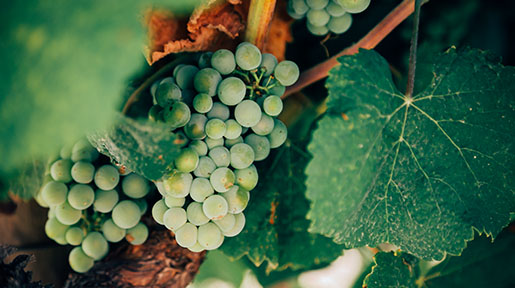
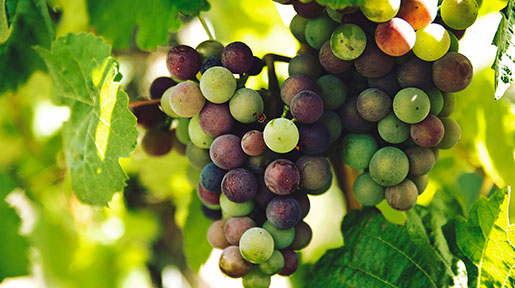
Long Island has the longest growing season of any other wine region in New York. Grapes thrive on its primarily sandy soils and the cooling effect from the Atlantic Ocean. Long Island is often likened it to the maritime climate of Bordeaux, and naturally Bordeaux varietals thrive here. Merlot is the most commonly planted grape, and Meritage blends are common, but perhaps the most seductive wines in this region are those made from Cabernet Franc—highly aromatic wines which take on a velvety texture, and soft red berry flavors. For whites, Chardonnay reigns supreme, but when I visited Long Island in the spring, I was captivated by white Bordeaux style blends of Sauvignon Blanc and Semillon.
Long Island wine country deserves more than just a day trip from New York City. Though the appellation is not huge, the tasting rooms are diverse; they range from grand estates to charming wooden barns, and, depending on what time of year you venture out there, they can be overcrowded. Moreover, the experience is enhanced with a stay at one of the numerous bed and breakfasts (some of which are directly associated with a particular winery), and a sample of the local cuisine.
Many of the vineyard owners are former city dwellers accustomed to the top quality dining of Manhattan—some are even former chefs—and luckily, to the benefit of the tourist, the fine dining trend seems to have followed them east. To compliment the wide range of foods, the typical style of Long Island wines is, unlike many new world wines, more adaptable to the dining table. Chardonnays are not buttery oak bombs, but refined and elegant, and Bordeaux blends tend to be soft and round.
Long Island winemakers are dedicated to educating the public about the bounty of their vineyards. Grape stomps, classes, and winemaker’s dinners are only a sampling of the various activities this region has to offer. Take advantage of getting out of the city and discovering the magic of Long Island wine country!