The Jumilla DO has turned potential disaster into triumph. In 1989 – long after most Spanish wine growers had encountered phylloxera, lost nearly everything, and replanted – the insect finally arrived in Jumilla, with predictable results. As phylloxera spread, grapevines succumbed, and Jumilla's growers had to make some hard choices.
Fortunately, the Jumilla DO was already well-established. Most growers decided not only to replant but also to modernize, and Jumilla transformed itself from a DO best known for bulk wines into one of Spain's up-and-coming wine regions. Interestingly, Jumilla's vineyards were not replanted with the same varieties as before. Many growers chose to replant with monastrell, a native grape particularly suited to the region's continental, drought-prone climate. Others diversified, planting a wide range of permitted foreign grape varieties, such as petit verdot and cabernet sauvignon.
Today, Jumilla's wines, particularly its reds, are internationally recognized – some are sold as far away as China – and often make "best value" lists.
Climate and Soil
Jumilla is situated in southeastern Spain, in the northern part of the Murcia political region. The area's continental climate definitely plays a role in wine production. Temperatures typically range from 46 to 79 degrees Fahrenheit, but can low temperatures can reach freezing, and highs can go over 100 degrees. Drought is always a threat, and when rains do come, they can be quite heavy, which means the blossoms and ripening grapes are at risk. On the positive side, Jumilla has plenty of sunlight, and the risk of frost is fairly low.
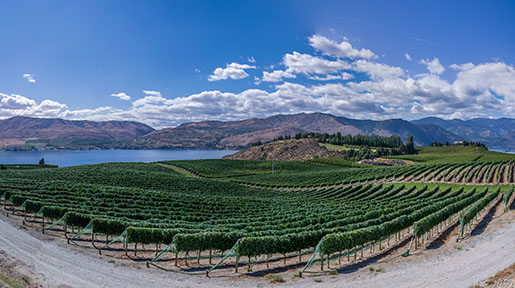
Most of Jumilla's grapes are grown on a plateau surrounded by mountains. Vineyard elevations typically range from 1,300 to 2,600 feet above sea level. Jumilla's soils are composed primarily of limestone and tend to have a high pH. Soils tend to be sandy or loamy and hold water well.
Jumilla Grape Varieties
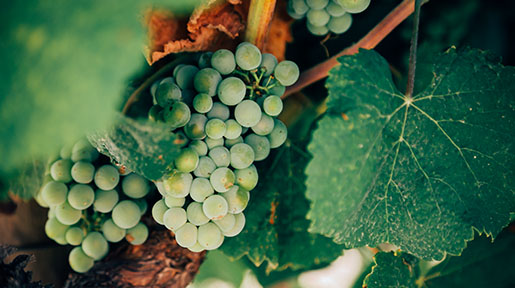
Jumilla's DO Control Board's rules allow an amazing variety of grapes to be grown within the region. Airén is the most commonly planted white wine grape. Both native and foreign white grapes are planted in Jumilla, including but not limited to macabeo, chardonnay, moscatel and malvasía.
Red wine grapes are far more popular with growers. Monastrell, which has been so successful here, takes pride of place; approximately 85% of Jumilla's vineyards are planted in monastrell vines. Garnacha, cencibel, cabernet sauvignon, merlot, syrah and petit verdot are also grown in Jumilla.
Visiting Jumilla's Wineries
Jumilla is one of several Spanish wine regions that have established a wine route, the Ruta del Vino de Jumilla ("Jumilla Wine Route"). According to Jumilla's municipal Web site, all of the wineries along the Jumilla Wine Route welcome visitors. It's always best to arrange your visit in advance; in fact, some wineries, such as Finca Omblancas and Bodegas y Viñedos Casa de la Ermita require advance notice for their winery tours.
Finca Omblancas' Delaín 2005 won a gold medal at Vinalies Internationales 2008 in Paris, and Omblancas Selección Especial 2004 took a silver medal at the 2008 Decanter World Wine Awards. If you'd like to visit this winery, you'll need to arrange your visit by telephone or email. Consider stopping by, because you'll be able to see the historic 1888 Perico Molina winery building as well as Finca Omblancas' modern facility.
Pedro Luis Martínez also offers winery tours. This winery, which bottles wines under the Alceño and Romeo names, was established in 1870. You'll need to email or telephone the winery in advance to set up your tour.
Silvano García offers not only winery tours but also a video presentation that explains the winemaking process. You can also visit the winery's museum.
Bodegas y Viñedos Casa de la Ermita has constructed an amazing facility. As the wine progresses through the various stages of vinification, it moves from place to place by gravity alone. Casa de la Ermita's vineyards are planted with several varieties of grapes, including petit verdot and viognier. The winery even has an experimental vineyard where over 30 varieties of grapes are grown. Casa de la Ermita's latest unusual endeavor is production of a low-alcohol red wine, Altos de la Ermita, which has quickly grown in popularity.
Jumilla's Future
Jumilla's Control Board inspects each winery's grapes, winemaking process and wine samples to ensure compliance with DO regulations. The DO's Control Board has just declared the 2007 vintage to be of "good" quality. According to the Peñin Guide to Spanish Wine 2007, Jumilla's winemakers still have a ways to go before the DO's white wines are truly competitive, but Jumilla's reds are firmly established. Continued attention to quality will keep Jumilla's red wines on the world map.