It’s true that the Italians were not the first to invent wine. But more than any other people throughout history, they have demonstrated a serious passion for it. No one has to explain that the Italians are passionate people to start with- about romance, art, culture, family. Wine is also a very important part of life and everyday, which is why the Italians care so much to perfect the production process and quality of taste.
The origin of wine actually lies in ancient Mesopotamia, near present-day Iran, sometime between 4000-3000 B.C. The Greeks brought the art of wine making to Southern Italy and Sicily. The Etruscans, from Asia Minor, gave it to central Italy.
It might have been love at first taste, but the Romans, in particular, obsessed enough about the Greek process to later refine it and make improvements. They enhanced the Greek presses used for extracting the juices from grapes, increasing the yields, which became especially important as the demand for wine naturally grew as the population expanded.
From 300 B.C. until the Christian era, the population reached over one million people. Everyone, including slaves, had a huge craving for wine. There are over 20 regions in Italy producing wine, but the Falernian region, which is near Naples, was the most popular with the Romans, especially around 300 B.C. Also, surprisingly, they preferred white wine to any other.
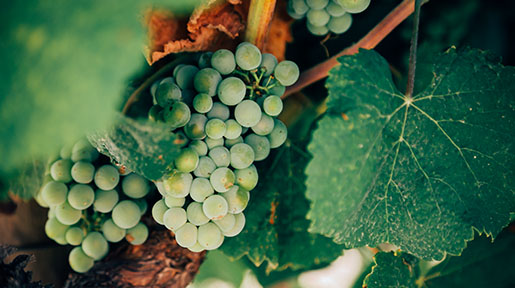
The Romans, with their great appreciation, drank it at every meal, experimented with various spices, and created wine with much higher alcohol content than ours today. The Romans also discovered which grapes were best suited for certain climates. One step further, there are some grapes that grow mainly in Italy because of the unique climate that is not found in other areas. Examples of these are Chianti’s Sangiovese, Barolo’s Nebbiolo, Corvina, and Arneis.
As for taste, the Romans were the first to realize that aged wines tasted better. They found that certain wines should be aged between 10 and 25 years, and began to use wooden barrels for storage as well as glass bottles with corks.
The popularity of wine in Italy rose and fell with the Roman Empire, although it was always being produced, at least by Christian monks. With the Renaissance came new inspiration for the taste, or the taste created new inspiration for the time- one or the other!
Not until the 19th and 20th centuries did the quality of Italian wine diminish slightly, so the government began to regulate the industry through a series of labels, as indications to the public that certain requirements have been met regarding mainly production, quality, and taste standards. Categorizing wine in today’s market could be a topic for a novel, but briefly, there are 5 basic labels. The DOCG (Denominazione di Origine Controllata e Garantita) is a label given to certain winemakers to indicate a superior wine. This literally means “Denomination of Controlled and Guaranteed Origin”. To obtain this label, the winemaker must past through very strict guidelines pertaining to production, quantity, alcohol content, aging, as well as taste. Other labels that have less stringent requirements include DOC (Denominazione di Origine Contollata), VQPRD (qualità prodotti in regione determinata ), IGT (Indicazione Geografica Tipica), and VDT (vino da tavola). The last 3 classifications fall under the “table wine” category. Table wine normally is not as highly regarded and tends to be sweeter and fruitier. It is possible that some of the best wines could be classified as VDT, however, well-known wines such as Chianti Classico, Barolo, Brunello di Montalcino, and Barbaresco are all under the DOCG label.
Today Italian wine is considered among the best in the world. But it’s not just Italy’s history that makes it great, it’s the passion they feel every hour of the day- for wine and for life.