Most wine drinkers have never heard of Saale-Unstrut, unless they happen to live in Germany. That's understandable, since nearly all the wine produced in this small German wine region is consumed locally. Wine production varies here, because Saale-Unstrut lies so far north. In particularly harsh years, crops are lost and production declines accordingly. Still, Saale-Unstrut has a proud winemaking history, dating back over a thousand years.
Let's take a closer look at Germany's northernmost wine region.
History and Tradition
According to the Web site of the Saale-Unstrut wine region, the first recorded mention of wine production in the area occurred in 998, when Emperor Otto II gave vineyards to the Benedictine monks at Memleben. Cistercian monks at Kloster Pforta were growing wine grapes soon after the monastery's founding in 1137. Wine production increased as more vineyards were planted along the Saale and Unstrut Rivers. Unfortunately, warfare and a growing need for food crops created a long-term decline in wine production. By the early 19th century, Saale-Unstrut vineyards had all but vanished.
After Saale-Unstrut came under Prussian control, more vineyards were planted, but production remained low until the 1960's. Key reasons for the region's decline were the 1887 phylloxera attack, unhelpful customs regulations and communist control of the area, first by the Soviet Union and then by East Germany. After the fall of the Berlin Wall, winemakers began to expand and modernize in spite of some weather-related setbacks.
Today the region's wine producers are committing themselves to quality over quantity. Weingut Klaus Böhme, for example, received commendations from Gault-Millau's The Guide to German Wines 2008 for its 2006 riesling, weißburgunder and traminer wines. Owner Klaus Böhme has set his sights firmly on continued achievement. Bernard Pawis, who took over his parents' Weingut Pawis in 1998, and Uwe Lützkendorf of Weingut U. Lützkendorf are also among the region's top winemakers.
Climate and Soils
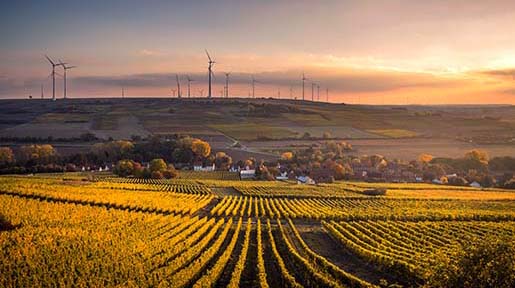
Saale-Unstrut lies so far north that every minute of sunshine counts. The area's continental climate typically produces warm, dry summers and cold winters, although some recent years have been much warmer and wetter than normal. Wine growers typically choose grape varieties that ripen early, and planting on south-facing slopes is the norm. As in Sachsen, frost can be quite a problem here.
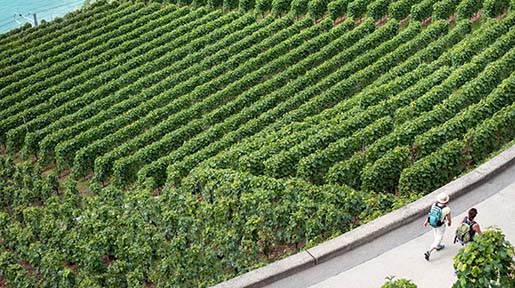
Saale-Unstrut's soils vary, but many vineyards feature fossil limestone and sandstone. Nearly all the region's vineyards are terraced on slopes in the Saale and Unstrut river valleys. A few vineyards are situated near the Süßer See ("Sweet Lake") near Martin Luther's home town of Lutherstadt Eisleben.
Wherever you find vineyards in Saale-Unstrut, you'll also find growers who pay very close attention to the challenges and opportunities each microclimate presents.
Saale-Unstrut Grape Varieties
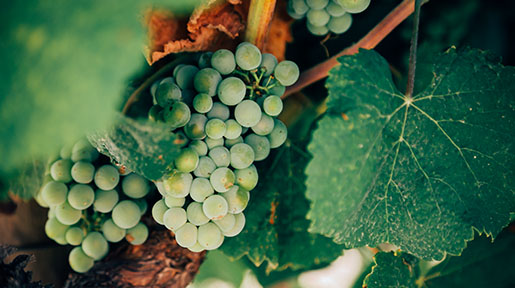
As you might expect, white wine grape varieties predominate in Saale-Unstrut. Approximately 73 percent of vineyards here are planted in white wine grapes, with Müller-Thurgau predominating. Weißburgunder is close behind, with silvaner taking third place. Among red wine grape varieties, Portugieser, spätburgunder and dornfelder are the most popular.
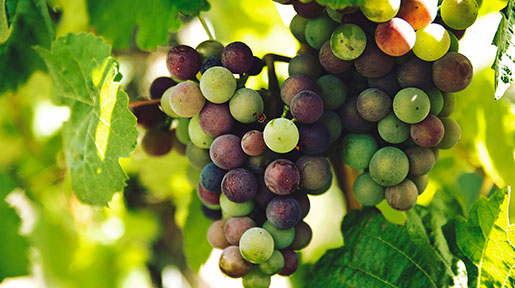
Saale-Unstrut has seen a slow shift toward increased red wine production in recent years. In 2003, 24 percent of vineyards were planted in red wine varieties; by 2006, that figure had risen to 27 percent. Riesling is also becoming more popular.
Wineries to Visit
It's difficult to find detailed English-language information about visiting Saale-Unstrut's wineries. (In other words, all the Web sites referenced here are in German only.) You can always call ahead and ask if anyone speaks English at the winery you'd like to see. It's best to telephone or email in advance anyway; winemakers throughout Germany appreciate this gesture of politeness.
Many Saale-Unstrut wineries have "Straußwirtschaften," or "ostrich businesses," similar to those in the Pfalz and other German wine regions. Here, for a few months each year and on a less-than-consistent schedule, you can sit outdoors or in a small building and enjoy local wines and foods. Weingut Pawis, for example, opens its Straußwirtschaft at its winery in Freyburg on Saturday and Sunday evenings in May, August, September and October. Weingut Pawis also offers wine tastings and participates in many regional events, such as the upcoming Winzerfest held in Freyburg each September. (This year's Winzerfest runs from September 12 – 16.)
Weingut U. Lützkendorf in Bad Kösen offers tastings throughout the year. This winery also features a very popular restaurant; be sure to make reservations if you want to eat there.
Winzervereinigung Freyburg-Unstrut, the area's largest regional cooperative, offers cellar tours and tastings from Easter through December. If you want to take a tour guided by a cellar master, you'll need to reserve a space at least two weeks ahead of time.
The venerable, state-owned Kloster Pforta, located at the site of the Cistercian abbey mentioned above, offers both tours of the medieval cellars and wine tastings, by appointment only. You can reserve spaces by contacting Kloster Pforta; be aware that you may be grouped with other visitors to make up the required 12-person minimum. Prices vary based on the number of wines you wish to taste.
A Millenium of Winemaking
Whether you're in the area to see the birthplace of Martin Luther, take a cure in Bad Kösen or Bad Sulza or tour Merseburg's multi-towered castle/cathedral complex, consider stopping by a winery or two. Grab a seat at a local Straußwirtschaft and enjoy Saale-Unstrut's wines – it might be your only chance to experience this region's thousand-year winemaking tradition.